TRAVEL GUIDE
Get inspired
Home > Travel Guides > 10 places to build a Greece itinerary around
List of Services
Greece runs from the southern Aegean to the middle of the Balkan Peninsula, spread across more than a thousand islands — snow-capped mountains, whitewashed villages, and history layered by Byzantine, Ottoman, Venetian and Roman influence. Picking just ten places is genuinely difficult, but these cover the range well.
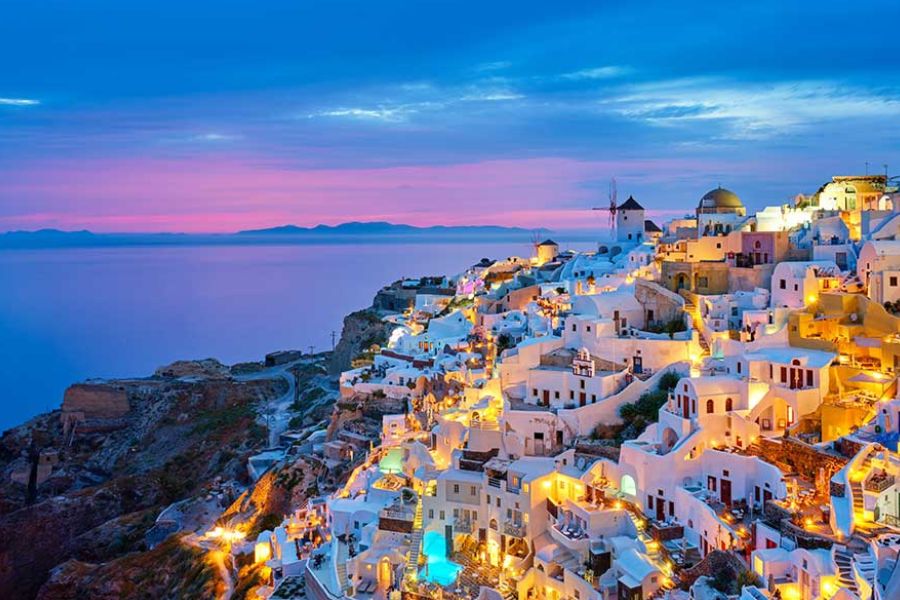
Santorini
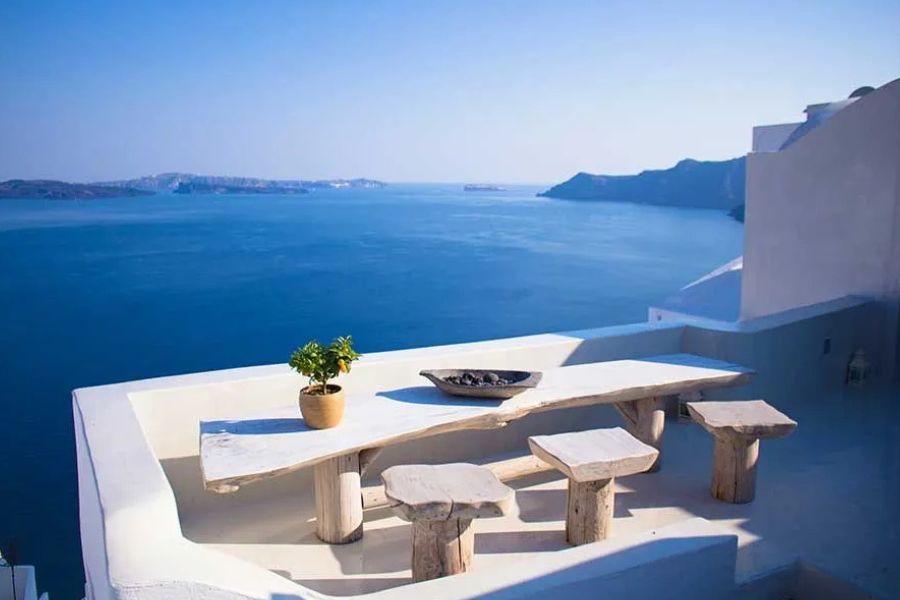
One of the Cyclades and easily Greece's most photographed island, Santorini pairs whitewashed buildings and blue domes with black sand beaches and centuries-old churches — the sunsets here have earned their reputation honestly.
Zagori
In the Pindus mountains, Zagori combines dramatic geology, protected national park land, and traditional stone-built villages dating to the 18th century. Hundreds of kilometres of trails connect the villages, making it one of Greece's best hiking regions, in both summer and winter.
Nafplio
Greece's first capital after independence, from 1821 to 1834, Nafplio has absorbed Roman, Venetian, Ottoman and Byzantine influences into its architecture over centuries as a retreat for Athens' wealthy. Today it's known for excellent dining, beautiful beaches and a reputation as one of Greece's more romantic coastal towns.
Thessaloniki
Once the Byzantine Empire's second city and a major Ottoman trading port, Thessaloniki only became part of Greece in 1912. Its White Tower, Byzantine walls and Turkish baths sit alongside a genuinely lively food market, gallery scene and nightlife that keeps it high on repeat visitors' lists.
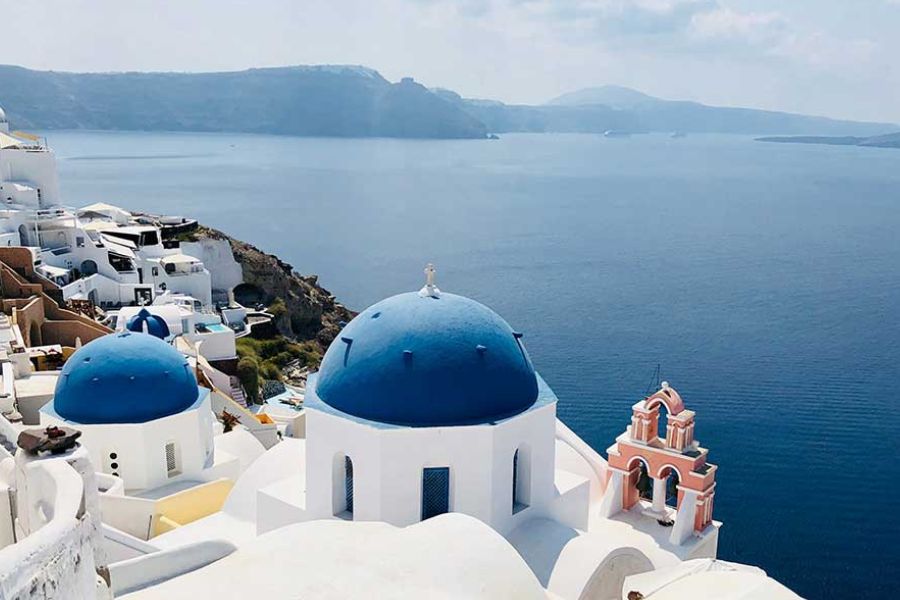
Halkidiki
Just outside Thessaloniki, this trident-shaped peninsula holds some of northern Greece's best beaches, blending modern comforts with ancient history — still relatively free of the crowds found elsewhere in the country.
Peloponnese
A broad peninsula at Greece and Europe's southern tip, the Peloponnese is dotted with Classical Greek temples and archaeological sites across a landscape often described as shaped like a mulberry leaf.
Skiathos
Known for its beaches and nightlife, Skiathos has grown considerably in popularity without losing its natural character — more than 60 beaches, and hiking trails winding through pine forest for those who want more than sand and sea.
Delphi
Delphi's Temple of Apollo remains one of Greece's most evocative ruins, alongside an ancient stadium, a theatre, and the Sanctuary of Athena Pronaia nearby — a genuine highlight for anyone interested in ancient history.
Meteora
Rising more than 400 metres above the towns of Kalambaka and Kastraki, Meteora's dramatic rock pillars (the name means "suspended in the air" in Greek) hold some of Orthodox Christianity's most striking monasteries, recognised by UNESCO as both a World Heritage Site and a Cultural Landscape.
Crete
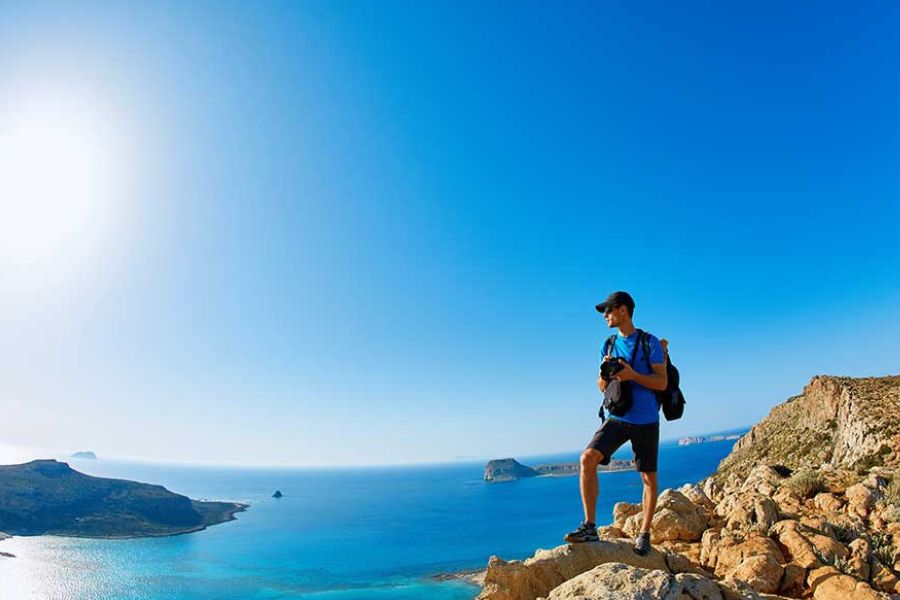
Greece's largest island rounds out the list with genuinely varied landscapes — beaches, mountains, forest and barren rock all within reach of each other. We've covered Crete in more depth in our dedicated Crete guide — worth reading alongside this one.
Ready to plan a trip? Take a look at Quintrip's Greece holiday packages to build an itinerary around these spots.
A few practical questions
When's the best time to visit Greece? May-June and September offer the best balance of good weather and smaller crowds.
How do I get between the islands? Ferries connect most major islands, with domestic flights available for longer distances like Crete or Rhodes.
Is Meteora accessible without a guide? Yes, though a guide adds useful context to the monasteries' history — check individual monastery opening days, as they vary.
Related Posts
Greece in Winter: Why Athens, Not the Islands
What to do in Crete, Greece
10 places to build a Greece itinerary around