
TRAVEL GUIDE
Get inspired
Home > Travel Guides > What to do in Crete, Greece
List of Services
Crete, Greece's largest island, packs in more variety than almost anywhere else in the country — Bronze Age ruins, mountain gorges, pink-sand beaches and genuinely excellent food, all within reach of each other.
Palace of Knossos
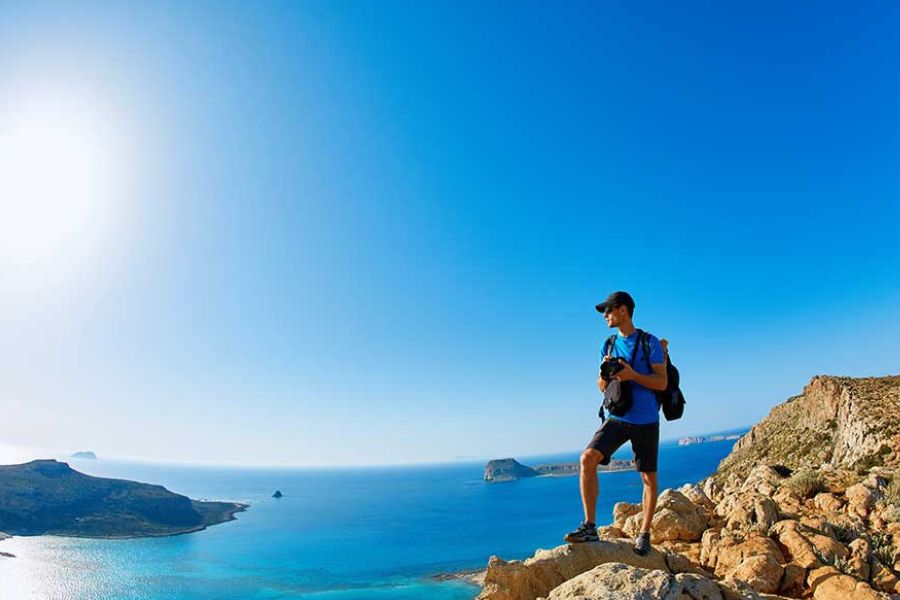
Crete's most significant historical site, Knossos is the largest Bronze Age settlement on the island and a strong candidate for the birthplace of Minoan civilization — an estimated 100,000 people are believed to have lived in and around the palace at its height in the 18th century BC. About 5km south of Heraklion, the ruins hold vividly restored frescoes, towering columns and weathered staircases; visiting right at opening or just before closing helps avoid the worst of the crowds.
Heraklion Archaeological Museum
In central Heraklion, this museum holds the world's largest collection of Minoan artifacts across 20 chronologically organised rooms — a natural complement to a Knossos visit, filling in context the ruins alone can't provide.
Elafonisi Beach
Crete's most talked-about beach, Elafonisi is known for its pink-tinted sand and shallow, clear water — shallow enough in places to walk across sandbars to the small island just offshore without getting your feet wet. The beach is large enough that even summer crowds rarely feel overwhelming.
Samaria Gorge
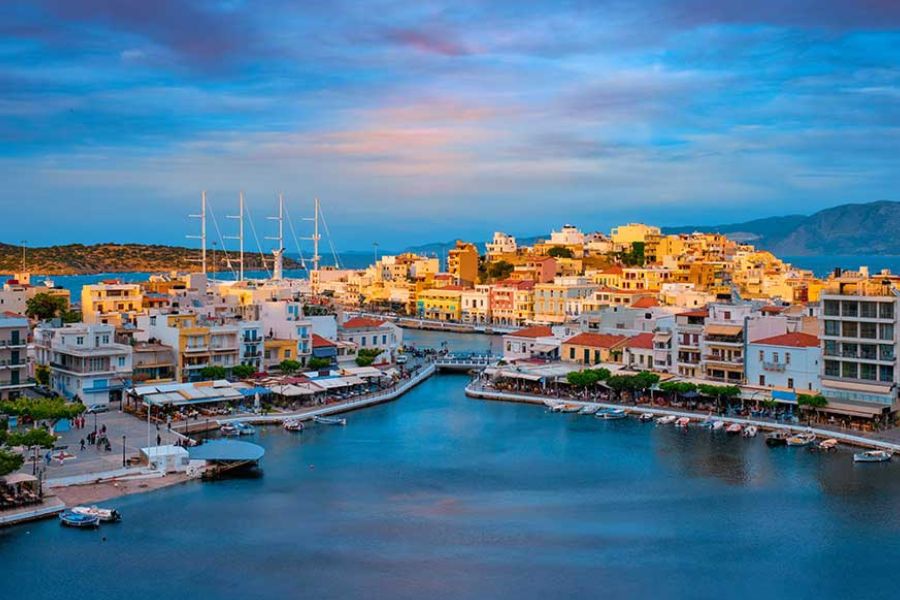
One of Crete's best outdoor experiences, the Samaria Gorge stretches roughly 15km between cliffs rising up to 300 metres, narrowing at one point — known as "the Gates" — to just four metres wide. The full hike takes 4-7 hours and is open May through October; sturdy shoes are essential, and hiking poles are worth bringing if your knees or ankles need the support.
Rethymno Old Town
Crete's historic capital, Rethymno, holds narrow streets dating to the 14th century, alongside Renaissance-era houses, arches and Catholic churches that have survived intact. The Fortezza, a fortress built to defend against pirate raids, is worth the visit alone, and the Neratze Mosque — originally a Venetian-style church, converted to a mosque and used as such until 1925 — now serves as the town's municipal concert hall.
Chania
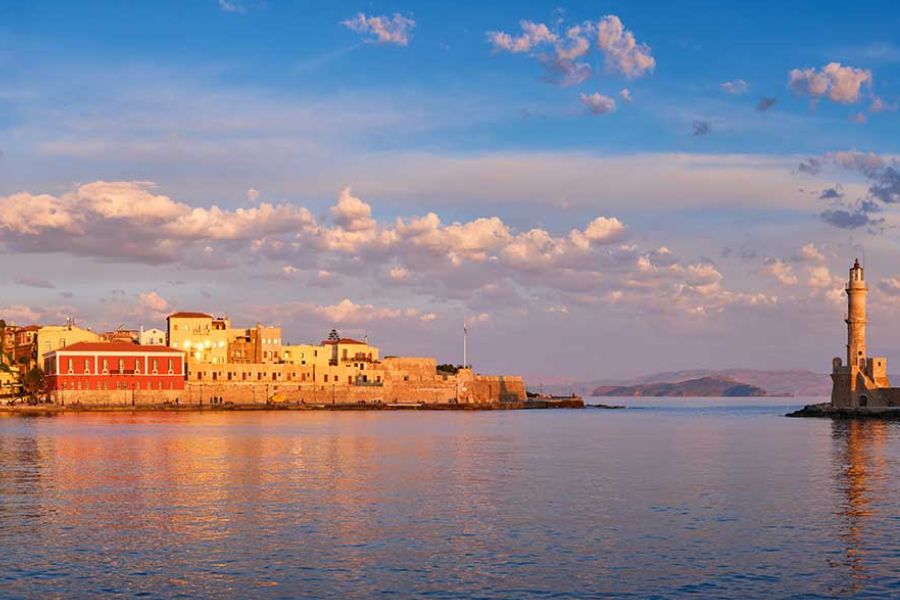
Widely considered Crete's most attractive old town, Chania combines a picturesque harbour with narrow, atmospheric alleyways — Venetian palaces, Turkish minarets and old fortress walls give it a genuinely layered character. Summer brings heavy crowds; spring offers milder weather and a considerably calmer harbour.
Moni Preveli
One of Crete's holiest sites, Preveli Monastery played a significant role in Cretan society under both Ottoman rule and Nazi occupation during WWII. The complex — Kato Monastiri and Piso Monastiri, both still active and open to visitors — dates back roughly 500 years, and the walk there takes under an hour, easily combined with time at nearby Preveli Beach, one of the most beautiful and least crowded beaches in southern Crete.
Ready to plan a trip? Take a look at Quintrip's Greece holiday packages to build a Crete stop into your itinerary.
A few practical questions
How many days should I spend in Crete? 5-7 days lets you cover the main sights and at least one hike without rushing.
Is the Samaria Gorge hike suitable for beginners? It's demanding but doable for reasonably fit hikers with no technical climbing experience — pace yourself and start early.
What language and currency will I need? Greek is the official language, with English widely spoken in tourist areas; the currency is the euro.
Related Posts