
TRAVEL GUIDE
Get inspired
Home > Travel Guides > Stone Town city break: history, markets and Freddie Mercury
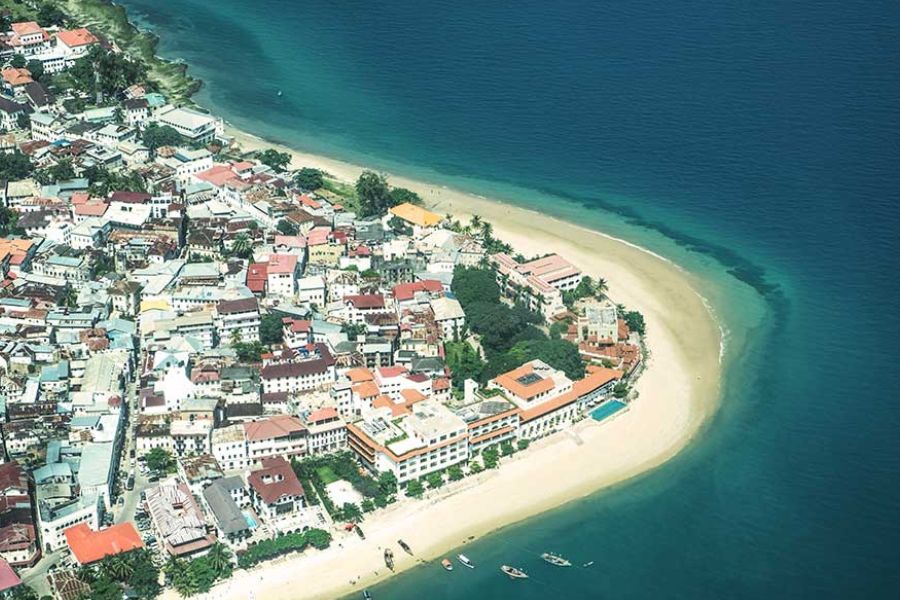
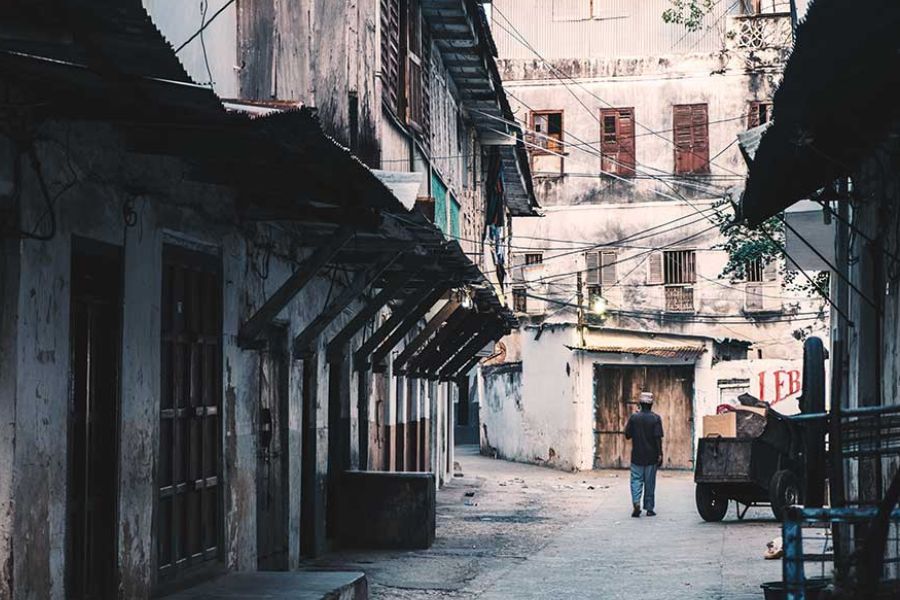
Stone Town (Mji Mkongwe, "old town" in Swahili) is Zanzibar's historic heart and a genuine cultural crossroads — centuries of trade between the Middle East, India and Europe are visible in its architecture, its markets and its food. Inscribed as a UNESCO World Heritage Site in 2000, its winding alleys, coral-stone buildings and faded colonial-era grandeur reward a few unhurried days rather than a rushed half-day stop.
The Old Fort
One of Stone Town's oldest surviving structures, the Old Fort was built by Omani forces in the 17th century as defence against the Portuguese. Its long history since includes stints as a prison, a railway terminus and a private club, before settling into its current role hosting an art gallery, curio shops, a café, and an open-air amphitheatre, built in the 1990s, used for the Zanzibar International Film Festival and other events. Simply wandering the ruins and courtyard, camera in hand, is one of the better free things to do in Stone Town.
House of Wonders (Beit al-Ajaib)
Built in 1883 for Sultan Barghash bin Said, the House of Wonders was Zanzibar's first building with electricity and its first with an elevator — hence the name. It's worth checking current visitor access before planning a visit, as the building suffered a partial structural collapse in 2020 and may still be under restoration.
Prison Island (Changuu Island)
A short boat ride from Stone Town, Prison Island combines history with wildlife — a 19th-century prison building that was never used as a prison (the island became a quarantine station instead), alongside a population of Aldabra giant tortoises now roaming freely on the island. The surrounding coral reef makes it a solid snorkelling stop as well, so it's easy to build a full morning or afternoon around the trip.
Palace Museum (Beit al-Sahel)
The former sultan's palace, right on Stone Town's waterfront, is now a museum covering Zanzibar's royal history — thrones, dining rooms and photographs that give a real sense of court life in the 19th century. A dedicated exhibit on Princess Salme, the sultan's daughter who later wrote one of the first-known memoirs by an Arab woman, is one of the museum's highlights.
Darajani Market
Stone Town's commercial heart sells everything from meat and fish to spices, fruit and handicrafts — the fish section is one of the more memorable slices of local life on offer here.
Old Dispensary
Begun in 1887 by a wealthy Indian merchant as a charity hospital for the poor, the Old Dispensary is now better known for its elaborately carved wooden balconies — a highlight of the building. It now houses displays of local artisan work, and sits right on the seafront, an easy stop on a waterfront walk.
Freddie Mercury's childhood home
Freddie Mercury, Queen's frontman, was born in Stone Town before his family moved and eventually sent him to India for schooling. A small museum in Stone Town's Shangani area, Mercury House, uses photographs and stories to trace his early years in Zanzibar — a genuine curiosity for music fans passing through.
Jaws Corner and dhow sailing
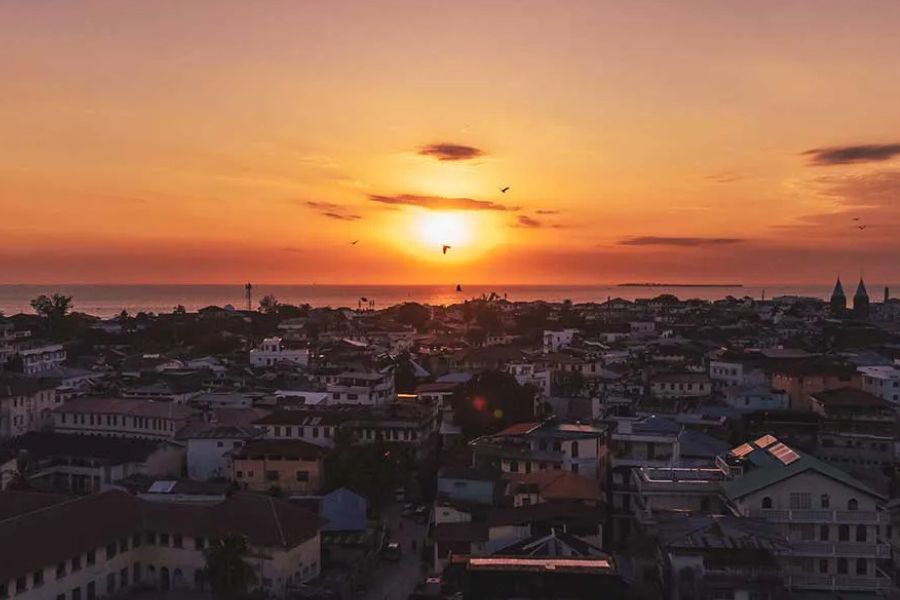
Jaws Corner, a modest intersection of alleyways, is where locals gather over Arabic coffee to catch up on the day's news — a good spot to sit, order a coffee, and watch daily life unfold. For a slower afternoon on the water, a traditional dhow sail — the classic wooden Arab sailing vessel once used by traders crossing the Indian Ocean — is a genuinely memorable way to see Stone Town's sunset from offshore.
Ready to plan a trip? Take a look at Quintrip's Zanzibar holiday packages to build a Stone Town stop into your itinerary.
A few practical questions
How many days should I spend in Stone Town? 2 days covers the main sights comfortably.
Is Prison Island worth the trip? Yes — the boat ride is short, and the combination of tortoises and snorkelling makes it a strong half-day add-on.
What language will I need? Swahili is the main local language, though English is widely spoken in tourist-facing venues.
Related Posts
Forodhani Gardens: Stone Town's Evening Food Market