TRAVEL GUIDE
Get inspired
Home > Travel Guides > Hagia Sophia: 1,500 Years Across Three Eras
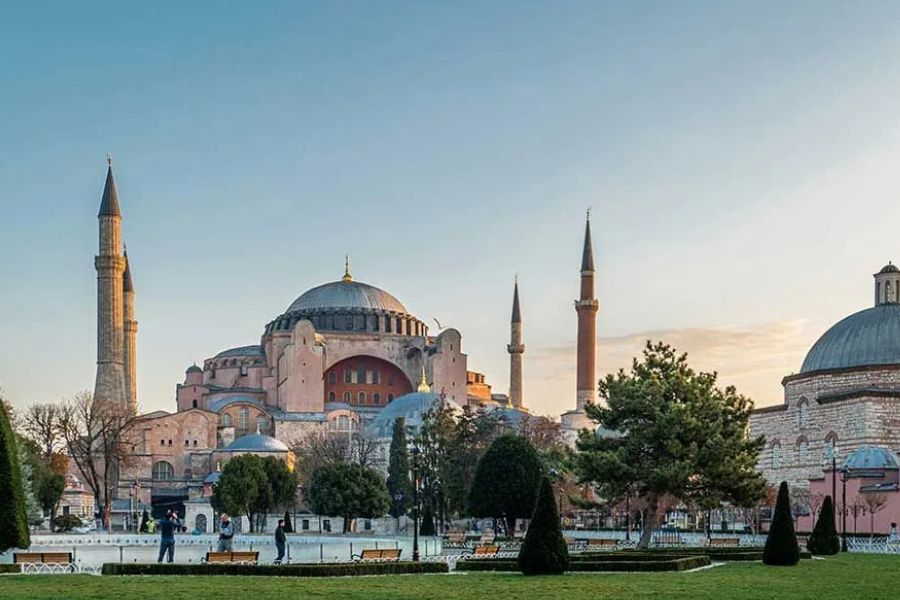
Hagia Sophia has existed in three distinct forms since it was completed in 537 AD under Emperor Justinian I: nearly a thousand years as the seat of the Byzantine Orthodox Church, close to five centuries as an Ottoman imperial mosque after the 1453 conquest of Constantinople, and from 1935 a secular museum, before a 2020 Turkish court ruling and presidential decree restored its status as a functioning mosque. All three eras are visible in the building today, which is a large part of why it's worth understanding before you go rather than just photographing on the way past.
What the building shows you
The dome itself was a genuine engineering feat for its era — nearly 1,500 years old and still standing despite earthquakes and partial collapses requiring repair over the centuries, supported by a system of pendentives that was unusually advanced for 6th-century construction. Byzantine Christian mosaics (depicting Christ, the Virgin Mary, and various emperors and empresses) survive in several sections, some visible, others covered with panels or curtains in line with the building's current use as a mosque — this alternating visibility is itself part of the building's layered history, not an oversight. The four minarets seen today weren't part of the original structure; they were added incrementally by different Ottoman sultans after 1453, which is why they don't perfectly match each other in style.
Since the 2020 change, the building operates on prayer times, and visiting arrangements have changed more than once, so check the current rules with the official sources before you go. Modest dress (covered shoulders and knees, headscarves available for women) is expected, as at any active mosque. Friday midday prayers in particular tend to restrict casual visiting access.
Staying nearby: World Heritage Center Hotel
For a stay that puts Hagia Sophia and Sultanahmet's other landmarks within walking distance, World Heritage Center Hotel sits in the historic district itself — the Blue Mosque, Topkapi Palace, Basilica Cistern and Grand Bazaar are all a short walk away, with the Sultanahmet tram stop nearby for reaching the rest of the city. Reviews consistently mention the rooftop terrace's view over Hagia Sophia and the Blue Mosque, worth asking about when booking if that view matters to you. Packages run 5 nights, Bed & Breakfast, with flights from Johannesburg included.
See World Heritage Center Hotel on Quintrip.
The rest of Sultanahmet, realistically
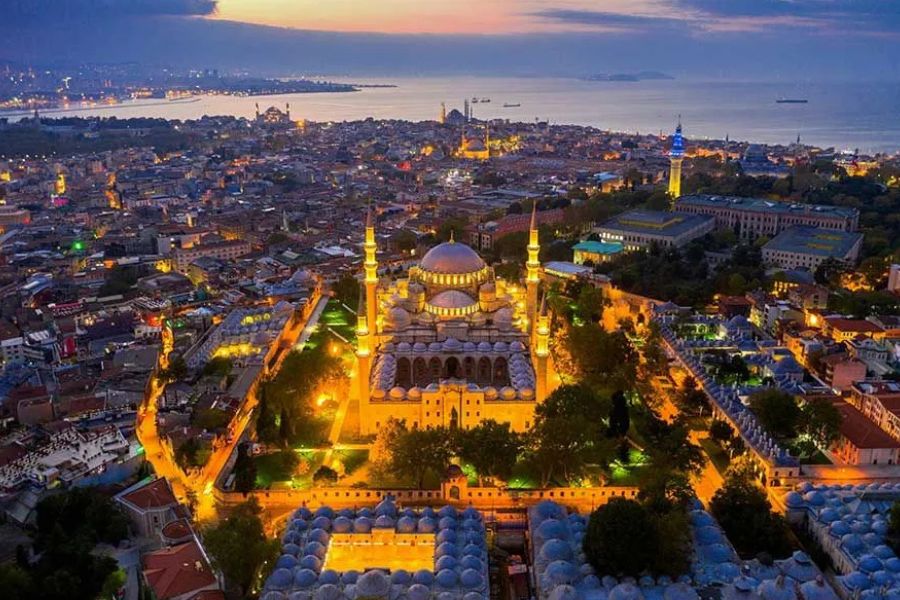
Given how close everything sits in this district, it's worth planning Hagia Sophia alongside its neighbours rather than as a separate outing. The Blue Mosque (Sultan Ahmed Mosque), directly across the square, is the more recently built of the two (completed 1616) and is often visited in the same walk. Topkapi Palace, the Ottoman sultans' residence for roughly 400 years, holds an extensive collection including the Topkapi Dagger and Spoonmaker's Diamond, and easily fills half a day on its own. The Basilica Cistern, an underground Byzantine water reservoir with rows of carved columns, is a short walk away and offers a genuinely different atmosphere — cool, dim, and quiet compared to the crowds above ground.
For something livelier, the Grand Bazaar, one of the world's oldest and largest covered markets, is a five-minute walk from Sultanahmet and worth an hour even if you're not buying anything — carpets, ceramics, jewellery and leather goods across thousands of stalls, with haggling expected as part of the transaction.
FAQ
Is Hagia Sophia free to visit?
Not for everyone: foreign visitors have paid an entry fee since January 2024. Check the current arrangements with the official sources before you go.
Can non-Muslims visit Hagia Sophia?
Yes — visiting is tied to prayer times and the arrangements have changed over the years, so confirm the current rules with the official sources. Modest dress is required (covered shoulders and knees; headscarves are provided for women who need them).
How much time should I set aside for Sultanahmet?
A full day covers Hagia Sophia, the Blue Mosque and the Basilica Cistern comfortably; add a second day if you want unhurried time at Topkapi Palace and the Grand Bazaar too.
What travel documents do we need?
A valid passport is required. Check the entry requirements with the official authorities before you book.
Planning an Istanbul stay? Quintrip's Turkey holiday packages include World Heritage Center Hotel and other options.
Related Posts
Hagia Sophia: 1,500 Years Across Three Eras
Ankara city break: Turkey's capital beyond Istanbul