
Get inspired...
Why the Seychelles Rarely Sees Cyclones
Updated: 10 July 2026 - Author: Nolene Vilonel
Among the practical reasons the Seychelles works well as a year-round destination is something rooted in basic geography: its position just south of the equator places it outside the belt where most Indian Ocean cyclones form and intensify, unlike Mauritius, Réunion, or Madagascar further south.
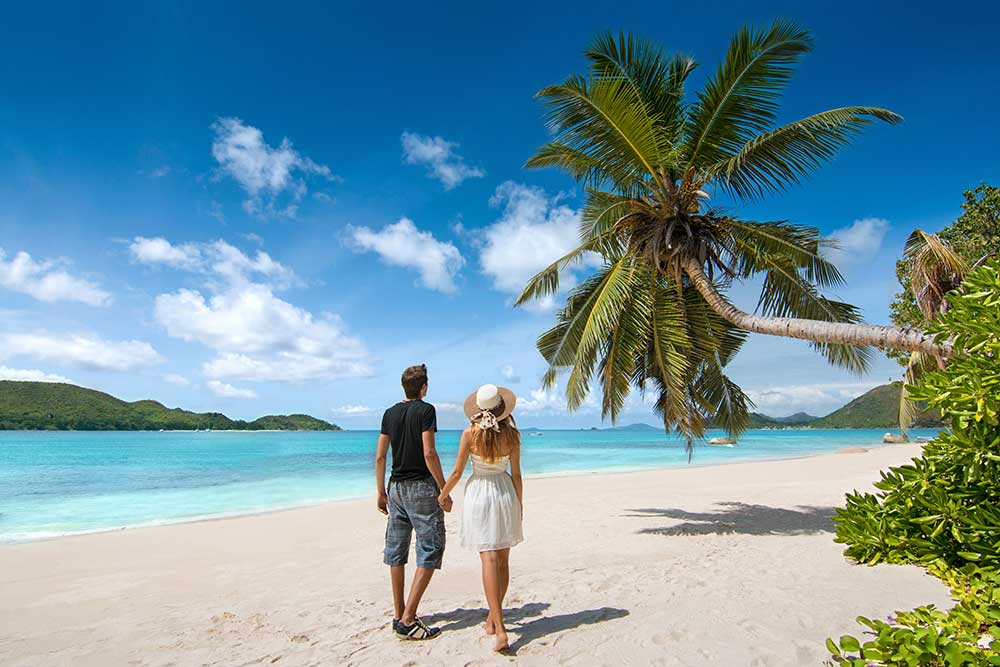
Why Location Matters
Tropical cyclones need a certain distance from the equator to form, since the Coriolis effect that gives them their rotation is too weak close to the equator itself. The Seychelles' position, much closer to the equator than its more southerly Indian Ocean neighbours, places it largely outside the typical cyclone formation zone — a genuine geographic advantage rather than simply good luck in any given year.
What This Means in Practice
Because cyclone risk is low year-round, the Seychelles doesn't have the same kind of high-risk "cyclone season" that shapes travel planning for Mauritius or Réunion, where the wetter months from roughly November to April carry real cyclone risk worth checking before booking. This gives the Seychelles a more even climate profile across the year — genuinely warmer or cooler, wetter or drier depending on season, but without the same storm risk layered on top.
Seasonal Variation That Still Exists
This doesn't mean the Seychelles has no seasonal weather pattern at all. The southeast trade wind season, roughly May to September, brings stronger, more consistent wind and can make sea crossings between islands choppier, while October to April is generally calmer with warmer water — relevant for planning inter-island ferries or diving trips, even without cyclone risk factoring in.
Fitting This Into Trip Planning
Because cyclone risk isn't a major factor, choosing when to visit the Seychelles comes down to more straightforward preferences — calmer seas and diving conditions (October to April) versus the trade wind season's stronger, more consistent breeze, which some visitors find more comfortable in terms of daytime heat. Quintrip's Seychelles holiday packages can be planned around either season without the cyclone-risk consideration that applies to some of the Seychelles' Indian Ocean neighbours.
Planning the Trip
A Quintrip consultant can help time a Seychelles trip around the trade wind pattern that suits your priorities — calmer seas or a cooler breeze — without needing to factor in cyclone season the way a Mauritius or Réunion trip would.
FAQ
Why doesn't the Seychelles get cyclones like Mauritius or Réunion?
Its position closer to the equator places it largely outside the zone where the Coriolis effect is strong enough for cyclones to form and intensify.
Does the Seychelles have a "cyclone season"?
No — unlike Mauritius or Réunion, cyclone risk isn't a significant factor in when to visit.
Does the Seychelles have any seasonal weather pattern?
Yes — the southeast trade wind season (roughly May–September) brings stronger wind and choppier seas, while October–April is generally calmer.
When is the best time to visit for diving?
October to April generally offers calmer seas and better visibility than the trade wind season.
Does the absence of cyclone risk make the Seychelles safer to visit than Mauritius?
It removes one specific weather risk from trip planning, though both destinations are generally safe to visit with normal seasonal planning.

Related Posts


